Skip to content

Walk, Explore and Discover

+977 9800000000

Direct call or whatsapp 24/7

Walk, Explore and Discover

+977 9851335885

Direct call or whatsapp 24/7

North Annapurna Base Camp Trek – 10 Days

Key Points

DestinationNepal
Duration10 Days
Max Altitude4,190 m
AccommodationHotel, basic lodge or homestay, and tented camps
MealsAs stated in the confirmed package; full-board meals during the camping
Best TimeMarch–May and October–November
RegionAnnapurna Region

Expedition Overview

The North Annapurna Base Camp Trek is a remote, expedition-style journey into one of the least-visited corners of the Annapurna Conservation Area. Unlike the established teahouse trail to the southern Annapurna Sanctuary, this northern approach begins in Myagdi District and continues beyond Upper Narchyang through deep forest, alpine grazing grounds, isolated camps and glacial terrain.

Trip Highlights

  • Reach remote North Annapurna Base Camp at approximately 4,190 m / 13,747 ft
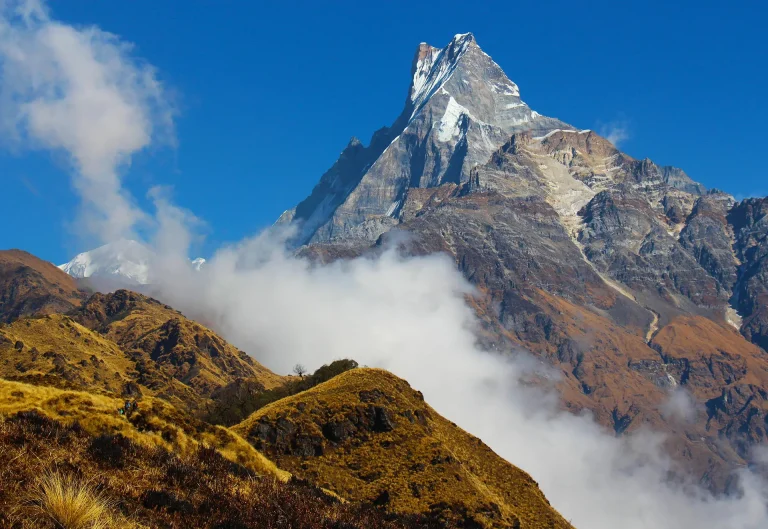
  • Stand beneath the dramatic northern face of Annapurna I
  • Follow a wilderness route associated with the historic 1950 French expedition
  • Trek through Upper Narchyang, Chhotepa, Sandhikharka, Bhusket Mela and Panchakunda
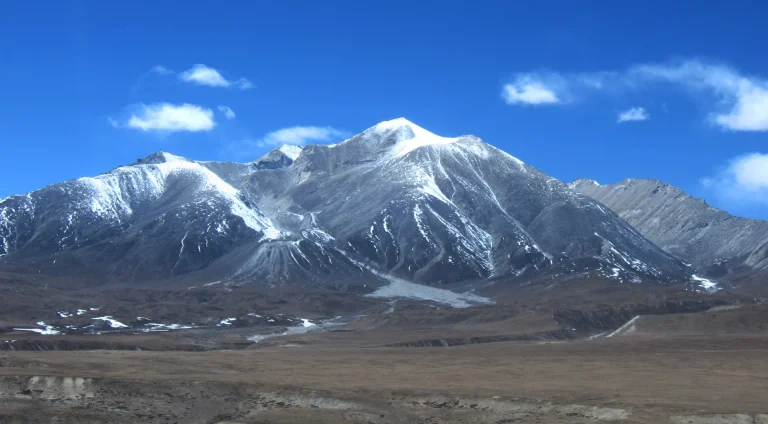
  • Experience waterfalls, subtropical forest, alpine pasture, moraine and glacial scenery
  • Camp in secluded Himalayan locations far from the busy teahouse trails
  • Discover the rural culture and landscapes of Myagdi District
  • Travel with a dedicated guide, cook and camping support team
  • Complete an adventurous Kathmandu-to-Kathmandu program in 10 days

Cost Includes

  • Professional, licensed English-speaking trekking guide.
  • Camping crew, cook and support staff according to group size.
  • Porter or pack-animal support as specified in the confirmed package.
  • Hotel accommodation in Pokhara on a twin-sharing basis.
  • Basic lodge or homestay accommodation in Upper Narchyang where available.
  • Sleeping tents, dining arrangements, cooking equipment and group camping gear.
  • Full-board meals during the camping section.
  • Ground transport stated in the final itinerary.
  • Required trekking and conservation permits stated in the confirmed package.
  • Staff insurance, meals, accommodation, equipment and wages.
  • First-aid kit and standard group safety equipment.
  • Applicable government taxes.
  • Agency service charges.

Cost Excludes

  • Nepal entry visa.
  • International airfare.
  • Travel and rescue insurance.
  • Meals in Kathmandu and Pokhara unless specifically listed.
  • Optional Pokhara–Kathmandu flight and related transfers unless booked.
  • Personal trekking clothing, sleeping bag and personal equipment unless stated.
  • Personal expenses, snacks, bottled drinks, hot showers, charging and internet fees.
  • Tips for guides, porters, cooks and drivers.
  • Costs caused by weather, landslides, road closures, flight disruption, evacuation, itinerary changes or other circumstances beyond company control.
  • Any service not specifically listed under What Is Included.
  • Personal travel and medical insurance.
  • Emergency medical treatment or helicopter rescue costs.

Day-by-Day Route Itinerary

Day 1

Drive from Kathmandu to Pokhara

Drive: 7–9 hours · Duration: Driving time: Approximately 7–9 hours
FromKathmandu
ToPokhara
Start altitude1,324 m
End altitude822 m

Driving time: Approximately 7–9 hours

Leave Kathmandu in the morning and travel west through river valleys, terraced hillsides and roadside settlements. The highway offers a gradual introduction to Nepal’s middle hills, although traffic, roadworks and weather can affect the journey time. On arrival in Pokhara, transfer to the hotel and meet the trekking team for a detailed briefing. The guide will review personal equipment, camping arrangements, trail conditions and the next day’s departure before you enjoy a restful evening.

AccommodationHotel
TransportRoad transfer
Day 2

Drive from Pokhara to Tatopani and Trek to Upper Narchyang

Drive: 5–7 hours · Walk: 2–3 hours · Duration: Driving time: Approximately 5–7 hours; Walking time: Approximately 2–3 hours
FromPokhara
ToUpper Narchyang
Start altitude822 m

Driving time: Approximately 5–7 hours Walking time: Approximately 2–3 hours

Drive from Pokhara through Beni and continue along the Kali Gandaki corridor toward Tatopani. Beyond Beni, sections of road may be rough or affected by seasonal construction and landslides. Begin trekking toward Upper Narchyang, passing terraced fields, traditional homes and powerful waterfalls. At the village, meet the complete camping crew and make final preparations before entering the isolated upper valley.

AccommodationBasic lodge or homestay
MealsBreakfast, lunch and dinner
TransportRoad transfer and trekking
Day 3

Trek from Upper Narchyang to Chhotepa

Duration: Walking time: Approximately 5–7 hours
FromUpper Narchyang
ToChhotepa
End altitude2,370 m

Leave the cultivated village landscape and enter a narrow valley filled with dense forest, streams and waterfalls. The trail is less developed than Nepal’s major trekking routes and may be muddy, overgrown or damaged after seasonal weather. Cross small waterways and climb steadily through rich vegetation to Chhotepa. The crew establishes the first wilderness camp while you rest, rehydrate and prepare for the stronger ascent ahead.

AccommodationTented camp
MealsBreakfast, lunch and dinner
Day 4

Trek from Chhotepa to Sandhikharka

Duration: Walking time: Approximately 6–7 hours
FromChhotepa
ToSandhikharka
Start altitude2,370 m
End altitude3,165 m

Continue through forest before the landscape opens into alpine pasture. This is a substantial elevation-gain day, so the group will maintain a controlled pace with regular stops for water, food and recovery. Reach Sandhikharka, a broad seasonal grazing area surrounded by increasingly dramatic mountain scenery. In clear conditions, the upper Narchyang valley and peaks of the Annapurna–Nilgiri range begin to dominate the horizon.

AccommodationTented camp
MealsBreakfast, lunch and dinner
Day 5

Trek from Sandhikharka to Bhusket Mela

Duration: Walking time: Approximately 4–6 hours
FromSandhikharka
ToBhusket Mela
Start altitude3,165 m
End altitude3,650 m

Ascend through open alpine terrain toward Bhusket Mela as vegetation becomes lower and the environment colder and more exposed. The shorter schedule provides valuable time for recovery as the route approaches 4,000 metres. After reaching camp, take a gentle acclimatization walk if weather, daylight and physical condition permit. Return to camp for a warm meal, hydration and an early night.

AccommodationTented camp
MealsBreakfast, lunch and dinner
Day 6

Trek from Bhusket Mela to Panchakunda High Camp

Duration: Walking time: Approximately 4–6 hours
FromBhusket Mela
ToPanchakunda High Camp
Start altitude3,650 m
End altitude4,050 m

Continue across rocky alpine ground, passing streams, waterfalls and unusual geological formations on the way to the high campsite near Panchakunda, sometimes called Narchyang Lake. This camp creates a more gradual approach to base camp and places the group within reach of the final objective. Conditions may be cold and windy, so the guide will choose the safest available campsite according to snow, water availability and weather.

AccommodationTented camp
MealsBreakfast, lunch and dinner
Day 7

Visit North Annapurna Base Camp and Descend to Sandhikharka

Duration: Walking time: Approximately 7–9 hours
DestinationSandhikharka
Highest altitude4,190 m

Begin early and follow the upper valley across rocky alpine terrain and glacial moraine. As you approach the base camp, the immense northern face of Annapurna I rises directly ahead, creating the defining view of the journey. Spend time at North Annapurna Base Camp enjoying the mountain and surrounding glaciers. Depending on visibility, the panorama may also include Nilgiri and other peaks of the Annapurna region. The guide will control the length of the visit according to wind, snow, weather and the condition of the group.

AccommodationTented camp
MealsBreakfast, lunch and dinner
Day 8

Trek from Sandhikharka to Upper Narchyang

Duration: Walking time: Approximately 7–9 hours
FromSandhikharka
ToUpper Narchyang

Descend from the alpine pastures into the forested valley. Pass Chhotepa and continue carefully across steep, uneven and potentially slippery sections, with the guide adjusting the pace to the trail conditions. Return to Upper Narchyang and celebrate the completion of the wilderness section with the local team. Enjoy village hospitality and the relative comfort of a lodge or homestay after several nights in tents.

AccommodationBasic lodge or homestay
MealsBreakfast, lunch and dinner
Day 9

Drive from Narchyang to Pokhara

Drive: 5–7 hours · Duration: Driving time: Approximately 5–7 hours
FromNarchyang
ToPokhara
End altitude822 m

Driving time: Approximately 5–7 hours

Descend by local road toward Tatopani and continue through Beni to Pokhara. Travel time depends on weather, landslides, construction and road conditions. After reaching Pokhara, check into the hotel and enjoy a hot shower and well-earned rest. The evening is free for exploring Lakeside or sharing a completion dinner with your companions.

AccommodationHotel
MealsBreakfast and lunch
TransportRoad transfer
Day 10

Drive or Fly from Pokhara to Kathmandu

Drive: 7–9 hours · Flight: 25 minutes · Duration: Driving time: Approximately 7–9 hours; Flight time: Approximately 25 minutes
FromPokhara
ToKathmandu
Start altitude822 m
End altitude1,400 m

Driving time: Approximately 7–9 hours Flight time: Approximately 25 minutes, excluding airport procedures

Return to Kathmandu by tourist or private vehicle. An optional domestic flight can be arranged at additional cost, subject to weather, operational conditions and seat availability. The trip concludes after arrival in Kathmandu and transfer to the agreed drop-off point. Additional hotel nights, airport transfers or onward services can be arranged on request.

AccommodationNot included after arrival unless arranged
MealsBreakfast
TransportFlight or road transfer

Essential Packing lists

Main Trekking Gear4
Daypack / Backpack (30–40L)Comfortable daypack with rain cover for water, layers, camera and daily essentials.
Duffel Bag (60–80L)For porter or luggage transport on multi-day trips where applicable.
Trekking PolesUseful for long descents, uneven trails and reducing knee strain.
Water Bottles / Hydration System (2L+)Carry enough refillable capacity for the day.
Clothing – Layering System6
Moisture-Wicking Base LayersQuick-dry tops and bottoms; avoid cotton for cold/high-altitude trekking.
Fleece / Mid LayerWarm breathable layer for mornings, evenings and cooler trail sections.
Insulated Down / Synthetic JacketWarm outer insulation suitable for the season and altitude.
Waterproof / Windproof ShellLightweight hooded jacket for rain, snow and strong wind.
Trekking Pants / Hiking TrousersComfortable quick-dry trousers plus a warmer option for colder trips.
Trekking SocksSeveral pairs of moisture-wicking trekking socks plus warm socks.
Headwear & Handwear4
Sun Hat / CapFor strong daytime sun and UV exposure.
Warm BeanieWarm hat covering the ears for cold mornings and evenings.
Buff / Neck GaiterMulti-purpose protection from sun, dust, wind and cold.
Warm GlovesInsulated gloves; add waterproof outer gloves for winter/high altitude.
Footwear2
Trekking Boots (1 pair)Mostly waterproof and broken-in boots with ankle support.
Camp Shoes / Sandals (1 pair)Light footwear for lodges, camps and rest time.
Toiletries & Hygiene5
Sunscreen SPF 50+High UV protection is important at altitude.
Lip Balm with SPFProtects lips from wind, cold and strong UV.
Hand Sanitizer / Biodegradable SoapCompact personal hygiene supplies.
Personal ToiletriesToothbrush, toothpaste and small personal hygiene items.
Toilet Paper / Wet WipesCarry a small personal supply and dispose responsibly.
Health & First Aid4
Personal MedicinesBring enough prescription medicine for the full trip plus reserve days.
Small Personal First-Aid KitBasic pain relief, bandages, antiseptic and common personal medicines.
Blister CareMoleskin, blister pads or similar foot-care supplies.
Water PurificationPurification tablets, drops or a reliable filter where needed.
Documents & Money4
Passport & VisaOriginal passport plus required visa documentation.
Travel Insurance DetailsCarry policy and emergency contact details; high-altitude cover when relevant.
Permit / ID CopiesKeep digital and paper copies of important travel documents.
Cash & Bank CardsRemote areas may have limited or unreliable ATM/card access.
Electronics & Accessories3
Headlamp + Spare BatteriesEssential for early starts, lodges and power cuts.
Power BankCharging can be limited or paid at remote lodges.
Phone / CameraProtect electronics from dust, rain and cold.
Optional but Recommended Items2
UV-Protected SunglassesStrong UV protection; glacier-rated lenses for snowy/high-altitude routes.
Dry Bags / Zip BagsKeep electronics, documents and spare clothes dry and organized.
Essentials7
Four-season sleeping bag suitable for sub-zero nights
Trekking trousers, thermal layers, gloves, warm hat and sun hat
Daypack, duffel bag and waterproof liners
Trekking poles and personal water bottles or hydration system
Sunglasses, sunscreen and lip protection
Microspikes or additional cold-weather equipment when recommended
Copies of passport, insurance policy and emergency contacts

What Makes This Trip Different?

A Rare Northern Approach

Most trekkers see Annapurna I from the south. This trail approaches the mountain through the remote Narchyang valley and reveals its imposing northern face, quiet alpine basins and little-visited glacial environment.

Expedition-Style Wilderness Experience

Beyond the lower villages, the journey depends on organized camping rather than a chain of commercial lodges. The result is a more self-contained and adventurous trek shaped by teamwork, changing mountain conditions and careful daily decisions.

Accommodation Details

Hotel accommodation is provided in Pokhara. Upper Narchyang uses a basic local lodge or homestay where available. Beyond the village, accommodation is in tented camps with shared dining and toilet arrangements managed by the support team. Remote camps are functional rather than luxurious. Trekkers should expect simple washing facilities, cold nights, limited privacy and no permanent room service or lodge facilities on the upper route.

Transportation Details

The itinerary uses tourist or private road transport between Kathmandu, Pokhara and the trekking gateway. Vehicle type depends on group size and road conditions. The Pokhara–Kathmandu sector may be upgraded to a domestic flight at additional cost. Mountain roads are vulnerable to traffic, construction, rain and landslides. Travel times are estimates and should not be used to schedule tight international connections.

Permits and Entry Requirements

The trek generally requires entry permission for the Annapurna Conservation Area and any additional local documentation applicable at the time of travel. The company will arrange the permits included in the confirmed package after receiving the required passport details and photographs. Permit rules and local access procedures can change. Travelers must carry their passport or a copy as instructed and cooperate at checkpoints.

Meals and Drinking Water

During the camping section, the cook prepares hygienic, energy-rich meals using carried supplies and available local ingredients. Menus generally combine Nepali, Tibetan and simple international dishes, but variety becomes more limited in remote camps.

Safe drinking water is provided by boiling, filtration or another treatment method used by the team. Carry at least two reusable bottles or a hydration system and avoid relying on single-use plastic bottles.

US$ 975 PP
Group range:US$ 975 - US$ 1,450
Duration:10 Days

Group-Size Discounts

Pricing is based on your group size. We do not add others to your group.

No. of PersonsGroup TypePrice per Person
1 Pax Private Trip US$ 1,450 Book
2-6 Pax Small Group US$ 1,150 Book
7-9 Pax Best Value US$ 1,050 Book
10+ Pax Super Group US$ 975 Book
Dates & discounts are applied in the next step.

Guides and Porters

A licensed trekking guide leads the journey and manages pace, navigation, campsites, weather decisions and emergencies. The camping crew transports group equipment, establishes camps and prepares meals. Personal baggage allowance depends on the confirmed porter or pack-animal arrangement. Pack only the permitted weight and keep valuables, water, rain protection, warm layers and daily essentials in your daypack.

Translate »