Skip to content

Walk, Explore and Discover

+977 9800000000

Direct call or whatsapp 24/7

Walk, Explore and Discover

+977 9851335885

Direct call or whatsapp 24/7

Upper Dolpo Circuit Trek – 24 Days

Key Points

DestinationNepal
Duration24 Days
Max Altitude5,270 m
MealsBreakfast, lunch and dinner (trekking days)
Group Size1-15 Pax
RegionDolpo Region

Expedition Overview

The Upper Dolpo Circuit Trek is a 24-day expedition-style journey into one of Nepal's most remote trans-Himalayan regions. It combines the deep-blue waters of Phoksundo Lake with high passes, ancient monasteries and the Tibetan-influenced landscapes of Upper Dolpo. Communities along the route maintain distinctive Buddhist and Bön traditions in a setting shaped by high-altitude farming, herding and limited seasonal access.

Trip Highlights

  • Visit Phoksundo Lake and the traditional village of Ringmo.
  • Cross Kang La into the sacred landscape around Shey Gompa and Crystal Mountain.
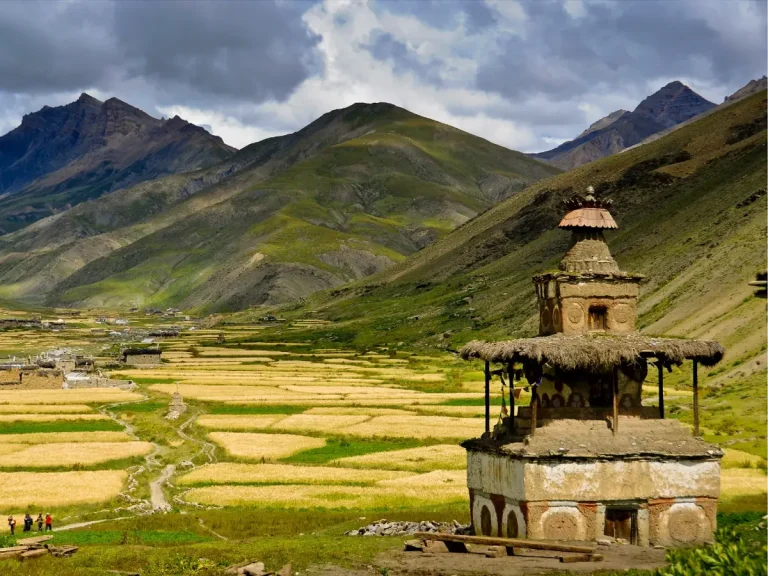
  • Explore Saldang, Namgung, Tokyu and Dho Tarap.
  • Cross remote high passes through the rain-shadow landscape of Dolpo.
  • Experience Tibetan Buddhist and Bön cultural traditions.
  • Walk through Shey Phoksundo National Park.
  • Travel through one of Nepal’s least-populated trekking regions.
  • Camp or stay in simple local accommodation far from modern infrastructure.
  • Support local guides, mule teams, cooks, lodges and village households.

Cost Includes

  • Airport transfers stated in the confirmed itinerary.
  • Kathmandu–Nepalgunj–Kathmandu domestic flights.
  • Nepalgunj–Juphal–Nepalgunj flights.
  • Hotels in Nepalgunj according to the package category.
  • Teahouse, homestay and/or tented accommodation during the trek.
  • Three meals per day during the trekking section.
  • Licensed trekking guide and required support crew.
  • Cook, kitchen staff, porters or pack animals when included in the confirmed camping plan.
  • Upper Dolpo Restricted Area Permit.
  • Shey Phoksundo National Park entry permit.
  • Assistance with required route and permit documentation.
  • Accommodation arrangements in village lodges or homestays along the confirmed itinerary.

Cost Excludes

  • International airfare.
  • Nepal entry visa fee.
  • Kathmandu hotel, meals and sightseeing unless included.
  • Travel, medical and helicopter evacuation insurance.
  • Personal trekking and sleeping equipment.
  • Personal drinks, snacks, charging, showers, Wi-Fi and laundry.
  • Extra flights, transport, accommodation or meals caused by delays or route changes.
  • Rescue, evacuation and medical expenses.
  • Excess baggage charges on domestic flights.
  • Tips for guide, cook, porter, mule handler, driver and crew.
  • Services not listed under Cost Includes.
  • Personal travel and medical insurance.

Day-by-Day Route Itinerary

Day 1

Fly from Kathmandu to Nepalgunj

FromKathmandu
ToNepalgunj
Start altitude1,324 m
End altitude150 m

Fly to Nepalgunj in western Nepal. Meet the trekking team, check equipment and prepare for the early flight to Juphal. Overnight in Nepalgunj. isolated trans-Himalayan valleys, where Tibetan Buddhist culture, basic facilities and expedition logistics remain part of daily travel. The trail may combine gradual sections with steeper climbs, descents or uneven surfaces, so the guide sets a sustainable pace and selects rest stops according to the weather, trail conditions and the group’s wellbeing. Walk attentively through settlements and agricultural areas, ask before photographing people, and allow local residents and pack animals priority.

TransportFlight
Day 2

Fly from Nepalgunj to Juphal and Trek to Dunai

Duration: Flight 35–45 minutes; Trek 2–3 hours
FromNepalgunj
ToDunai
Start altitude150 m
End altitude2,150 m

Take a weather-dependent mountain flight to Juphal. After meeting the local crew, descend toward the Bheri River and follow the trail to Dunai, the administrative centre of Dolpa. Overnight in Dunai. changes in landscape and settlement, making the journey more than a simple transfer between overnight stops. Within Dolpo’s isolated trans-Himalayan valleys, where Tibetan Buddhist culture, basic facilities and expedition logistics remain part of daily travel, trail surfaces, bridge conditions and seasonal water levels can alter the pace.

MealsBreakfast, lunch and dinner
TransportFlight
Day 3

Trek from Dunai to Chhepka

FromDunai
ToChhepka
Start altitude2,150 m
End altitude2,670 m

Follow the Suligad River and enter Shey Phoksundo National Park. The trail passes through forest, small settlements and narrow river sections before reaching Chhepka. Overnight in Chhepka. valleys, where Tibetan Buddhist culture, basic facilities and expedition logistics remain part of daily travel. Expect the effort to vary with altitude, temperature, trail condition and accumulated fatigue, even when the published hours appear moderate. Maintain a conversational pace, avoid unnecessary rushing and report discomfort before it becomes serious.

Day 4

Trek from Chhepka to Jharana or Rechi

FromChhepka
Start altitude2,670 m

Continue through the forest and cross the river several times. The exact overnight stop depends on lodge or campsite availability and the team’s pace. Overnight near Jharana or Rechi. steady progress with the cultural and environmental character of Dolpo’s isolated trans-Himalayan valleys, where Tibetan Buddhist culture, basic facilities and expedition logistics remain part of daily travel. Conditions can range from forest shade or cultivated paths to open, wind-exposed slopes depending on the section. The stated trekking time excludes extended stops for meals, photography and rest.

Day 5

Trek to Ringmo and Phoksundo Lake

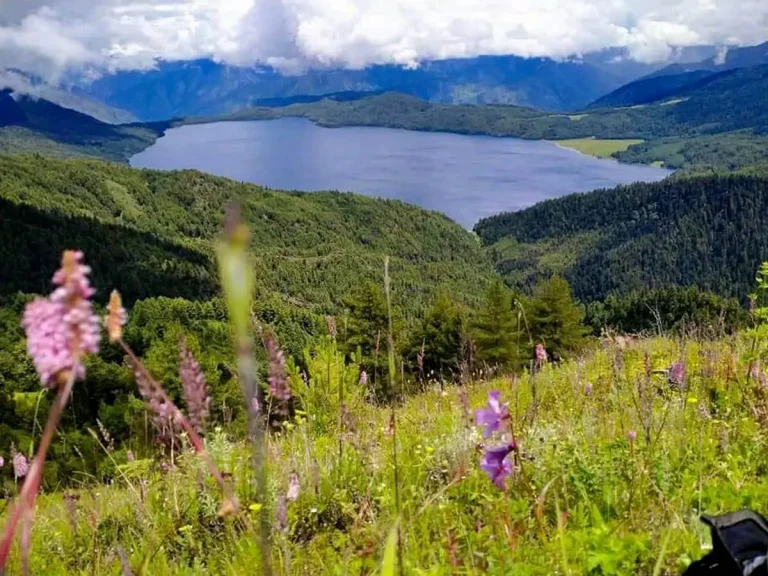
Climb past the viewpoint of the Phoksundo waterfall, then descend to Ringmo village and the shore of Phoksundo Lake. The lake is sacred to local communities, and swimming is not permitted. Overnight at Ringmo/Phoksundo Lake. Dolpo’s isolated trans-Himalayan valleys, where Tibetan Buddhist culture, basic facilities and expedition logistics remain part of daily travel. The trail may combine gradual sections with steeper climbs, descents or uneven surfaces, so the guide sets a sustainable pace and selects rest stops according to the weather, trail conditions and the group’s wellbeing.

MealsBreakfast, lunch and dinner
Day 6

Acclimatization and Exploration at Phoksundo Lake

FromPhoksundo Lake
ToPhoksundo Lake
Start altitude3,600 m
End altitude3,611 m

Rest and acclimatize. Explore Ringmo, visit the local monastery when open and walk along an appropriate section of the lakeshore with the guide. Overnight at Ringmo/Phoksundo Lake. or locally appropriate excursion supports acclimatization while introducing Dolpo’s isolated trans-Himalayan valleys, where Tibetan Buddhist culture, basic facilities and expedition logistics remain part of daily travel. The guide controls the height gain and return time, leaving the afternoon for hydration, equipment checks and recovery. Any headache, nausea, unusual fatigue, poor sleep or breathlessness should be reported early so the following stage can be assessed conservatively.

MealsBreakfast, lunch and dinner
Day 7

Trek from Phoksundo Lake to the Western Lakeside Camp

FromPhoksundo Lake
Tothe Western Lakeside Camp
Start altitude3,611 m

Follow the exposed trail above the western shore. Narrow sections and loose ground require care. Reach a seasonal campsite beyond the lake. Overnight in camp. valleys, where Tibetan Buddhist culture, basic facilities and expedition logistics remain part of daily travel. Expect the effort to vary with altitude, temperature, trail condition and accumulated fatigue, even when the published hours appear moderate. Maintain a conversational pace, avoid unnecessary rushing and report discomfort before it becomes serious. At the overnight stop, follow the guide’s plan for meals, hydration, equipment drying and preparation for the next morning.

Day 8

Trek to Kang La Base Camp

DestinationKang La Base Camp
End altitude4,600 m

Leave the lakeside valley and climb through increasingly barren terrain toward the base of Kang La. The camp location may vary according to water availability, snow conditions and the group’s wellbeing. Overnight in camp. temperatures, stronger wind and slower progress as the route enters Dolpo’s isolated trans-Himalayan valleys, where Tibetan Buddhist culture, basic facilities and expedition logistics remain part of daily travel. The guide will assess weather, trail or snow conditions and the group’s health before committing to exposed terrain.

MealsBreakfast, lunch and dinner
Day 9

Cross Kang La and Trek to Shey Gompa

DestinationShey Gompa
End altitude4,126 m
Highest altitude5,270 m

Begin early for the steep climb to Kang La. Descend carefully into the valley of Shey Gompa, surrounded by the sacred Crystal Mountain landscape. Overnight at Shey. temperatures, stronger wind and slower progress as the route enters Dolpo’s isolated trans-Himalayan valleys, where Tibetan Buddhist culture, basic facilities and expedition logistics remain part of daily travel. The guide will assess weather, trail or snow conditions and the group’s health before committing to exposed terrain.

MealsBreakfast, lunch and dinner
Day 10

Acclimatization and Exploration at Shey

FromShey
ToShey

Rest after the pass crossing. Visit Shey Gompa and explore the surrounding valley with local permission and guidance. Cultural access can depend on ceremonies and the availability of key holders. Overnight at Shey. or locally appropriate excursion supports acclimatization while introducing Dolpo’s isolated trans-Himalayan valleys, where Tibetan Buddhist culture, basic facilities and expedition logistics remain part of daily travel. The guide controls the height gain and return time, leaving the afternoon for hydration, equipment checks and recovery.

MealsBreakfast, lunch and dinner
Day 11

Cross Shey La and Trek to Namgung

DestinationNamgung
End altitude4,430 m
Highest altitude5,095 m

Climb from Shey toward Shey La and cross into a broad, dry valley. Descend toward Namgung and its monastery, with wide views across the Dolpo plateau. Overnight at Namgung. temperatures, stronger wind and slower progress as the route enters Dolpo’s isolated trans-Himalayan valleys, where Tibetan Buddhist culture, basic facilities and expedition logistics remain part of daily travel. The guide will assess weather, trail or snow conditions and the group’s health before committing to exposed terrain.

MealsBreakfast, lunch and dinner
Day 12

Trek from Namgung to Saldang

FromNamgung
ToSaldang
Start altitude4,430 m
End altitude3,903 m

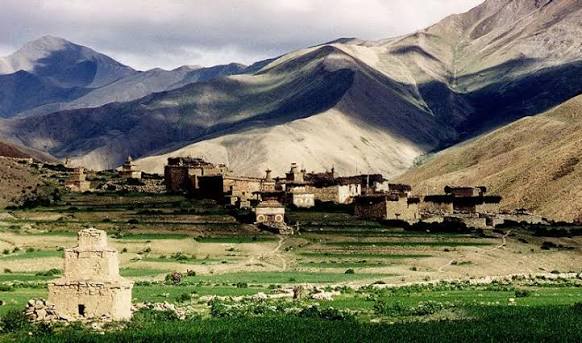
Traverse high slopes and descend toward Saldang, one of the largest villages in Upper Dolpo. Its clustered houses and fields spread along the mountainside above the Nankhang Khola. Overnight at Saldang. progress with the cultural and environmental character of Dolpo’s isolated trans-Himalayan valleys, where Tibetan Buddhist culture, basic facilities and expedition logistics remain part of daily travel. Conditions can range from forest shade or cultivated paths to open, wind-exposed slopes depending on the section. The stated trekking time excludes extended stops for meals, photography and rest.

Day 13

Acclimatization and Cultural Day in Saldang

FromSaldang
ToSaldang
Start altitude3,903 m
End altitude3,903 m

Explore Saldang and nearby settlements with the guide. This day also provides recovery time and a useful weather or logistics margin. Overnight at Saldang. or locally appropriate excursion supports acclimatization while introducing Dolpo’s isolated trans-Himalayan valleys, where Tibetan Buddhist culture, basic facilities and expedition logistics remain part of daily travel. The guide controls the height gain and return time, leaving the afternoon for hydration, equipment checks and recovery. Any headache, nausea, unusual fatigue, poor sleep or breathlessness should be reported early so the following stage can be assessed conservatively.

MealsBreakfast, lunch and dinner
Day 14

Trek from Saldang to Sibu

FromSaldang
ToSibu
Start altitude3,903 m
End altitude4,000 m

Follow the Nankhang Khola through cultivated villages, mani walls and dry valley terrain. The exact trail may pass through local settlements according to campsite and permit arrangements. Overnight at Sibu. landscape and settlement, making the journey more than a simple transfer between overnight stops. Within Dolpo’s isolated trans-Himalayan valleys, where Tibetan Buddhist culture, basic facilities and expedition logistics remain part of daily travel, trail surfaces, bridge conditions and seasonal water levels can alter the pace.

MealsBreakfast, lunch and dinner
Day 15

Trek from Sibu to Jeng La Base Camp

FromSibu
ToJeng La Base Camp
Start altitude4,000 m
End altitude4,900 m

Leave the settled valley and climb through open grazing land toward the base of Jeng La. Camp location depends on water and weather conditions. Overnight in camp. temperatures, stronger wind and slower progress as the route enters Dolpo’s isolated trans-Himalayan valleys, where Tibetan Buddhist culture, basic facilities and expedition logistics remain part of daily travel. The guide will assess weather, trail or snow conditions and the group’s health before committing to exposed terrain.

MealsBreakfast, lunch and dinner
Day 16

Cross Jeng La and Trek to Tokyu

DestinationTokyu
End altitude4,200 m
Highest altitude5,060 m

Cross Jeng La early and descend toward the Tarap Valley. On a clear day, the pass offers expansive views of the surrounding ranges. Continue to Tokyu and its monastery area. Overnight at Tokyu. temperatures, stronger wind and slower progress as the route enters Dolpo’s isolated trans-Himalayan valleys, where Tibetan Buddhist culture, basic facilities and expedition logistics remain part of daily travel. The guide will assess weather, trail or snow conditions and the group’s health before committing to exposed terrain.

MealsBreakfast, lunch and dinner
Day 17

Trek from Tokyu to Dho Tarap

FromTokyu
ToDho Tarap
Start altitude4,200 m
End altitude3,944 m

Walk through the broad Tarap Valley past fields, chortens and traditional houses. Arrive at Dho Tarap, an important cultural centre influenced by both Buddhism and Bön. Overnight at Dho Tarap. isolated trans-Himalayan valleys, where Tibetan Buddhist culture, basic facilities and expedition logistics remain part of daily travel. The trail may combine gradual sections with steeper climbs, descents or uneven surfaces, so the guide sets a sustainable pace and selects rest stops according to the weather, trail conditions and the group’s wellbeing.

MealsBreakfast, lunch and dinner
Day 18

Acclimatization and Exploration at Dho Tarap

FromDho Tarap
ToDho Tarap
Start altitude3,944 m
End altitude3,944 m

Spend a day exploring the village and nearby monasteries where access is permitted. The day also functions as a contingency margin after the high passes. Overnight at Dho Tarap. or locally appropriate excursion supports acclimatization while introducing Dolpo’s isolated trans-Himalayan valleys, where Tibetan Buddhist culture, basic facilities and expedition logistics remain part of daily travel. The guide controls the height gain and return time, leaving the afternoon for hydration, equipment checks and recovery. Any headache, nausea, unusual fatigue, poor sleep or breathlessness should be reported early so the following stage can be assessed conservatively.

MealsBreakfast, lunch and dinner
Day 19

Trek from Dho Tarap to Serkam

FromDho Tarap
ToSerkam
Start altitude3,944 m
End altitude3,630 m

Leave the open Tarap Valley and enter a narrower gorge. Follow the Tarap Khola through changing rock formations to a suitable lodge or campsite near Serkam. Overnight at Serkam. valleys, where Tibetan Buddhist culture, basic facilities and expedition logistics remain part of daily travel. Expect the effort to vary with altitude, temperature, trail condition and accumulated fatigue, even when the published hours appear moderate. Maintain a conversational pace, avoid unnecessary rushing and report discomfort before it becomes serious.

Day 20

Trek from Serkam to Khanigaon

FromSerkam
ToKhanigaon
Start altitude3,630 m
End altitude2,550 m

Continue through the Tarap gorge, crossing bridges and narrow sections above the river. Reach the lower valley near Khanigaon. Overnight at Khanigaon. progress with the cultural and environmental character of Dolpo’s isolated trans-Himalayan valleys, where Tibetan Buddhist culture, basic facilities and expedition logistics remain part of daily travel. Conditions can range from forest shade or cultivated paths to open, wind-exposed slopes depending on the section. The stated trekking time excludes extended stops for meals, photography and rest.

Day 21

Trek from Khanigaon to Tarakot

FromKhanigaon
ToTarakot
Start altitude2,550 m
End altitude2,537 m

Follow the river through greener hills and cultivated settlements to Tarakot, a historic village above the Thuli Bheri corridor. Overnight at Tarakot. isolated trans-Himalayan valleys, where Tibetan Buddhist culture, basic facilities and expedition logistics remain part of daily travel. The trail may combine gradual sections with steeper climbs, descents or uneven surfaces, so the guide sets a sustainable pace and selects rest stops according to the weather, trail conditions and the group’s wellbeing. Walk attentively through settlements and agricultural areas, ask before photographing people, and allow local residents and pack animals priority.

MealsBreakfast, lunch and dinner
Day 22

Trek from Tarakot to Dunai

FromTarakot
ToDunai
Start altitude2,537 m
End altitude2,150 m

Continue along the Bheri River to Dunai. Celebrate completion of the circuit and reorganize baggage for the return flight. Overnight in Dunai. landscape and settlement, making the journey more than a simple transfer between overnight stops. Within Dolpo’s isolated trans-Himalayan valleys, where Tibetan Buddhist culture, basic facilities and expedition logistics remain part of daily travel, trail surfaces, bridge conditions and seasonal water levels can alter the pace. Keep rain protection, sun protection and drinking water accessible.

MealsBreakfast, lunch and dinner
TransportFlight
Day 23

Trek to Juphal and Fly to Nepalgunj

Duration: Flight 35–45 minutes; Trek 2–3 hours
DestinationNepalgunj
End altitude150 m

Walk or drive to Juphal according to current road access, then take the weather-dependent flight to Nepalgunj. Overnight in Nepalgunj. valleys, where Tibetan Buddhist culture, basic facilities and expedition logistics remain part of daily travel. Expect the effort to vary with altitude, temperature, trail condition and accumulated fatigue, even when the published hours appear moderate. Maintain a conversational pace, avoid unnecessary rushing and report discomfort before it becomes serious. At the overnight stop, follow the guide’s plan for meals, hydration, equipment drying and preparation for the next morning.

TransportFlight
Day 24

Fly from Nepalgunj to Kathmandu

FromNepalgunj
ToKathmandu
Start altitude150 m
End altitude1,400 m

Fly to Kathmandu. Keep additional buffer time before an international departure because Juphal flights are frequently affected by weather. End of the Upper Dolpo Circuit Trek. fixed-time transfer. Weather, road or flight conditions may affect the arrival schedule, so an international departure should not be booked too tightly. The guide assists with the confirmed transport and checks that personal equipment and baggage are accounted for. Once back at the destination, allow time for rest and a final operational debrief.

AccommodationHotel in Kathmandu
TransportFlight

Essential Packing lists

Main Trekking Gear5
Daypack / Backpack (30–40L)Comfortable daypack with rain cover for water, layers, camera and daily essentials.
Duffel Bag (60–80L)For porter or luggage transport on multi-day trips where applicable.
Warm Sleeping BagTemperature rating should match the season and maximum sleeping altitude.
Trekking PolesUseful for long descents, uneven trails and reducing knee strain.
Water Bottles / Hydration System (2L+)Carry enough refillable capacity for the day.
Clothing – Layering System7
Moisture-Wicking Base LayersQuick-dry tops and bottoms; avoid cotton for cold/high-altitude trekking.
Fleece / Mid LayerWarm breathable layer for mornings, evenings and cooler trail sections.
Insulated Down / Synthetic JacketWarm outer insulation suitable for the season and altitude.
Waterproof / Windproof ShellLightweight hooded jacket for rain, snow and strong wind.
Trekking Pants / Hiking TrousersComfortable quick-dry trousers plus a warmer option for colder trips.
Thermal BottomsUseful for cold evenings, high camps and winter trips.
Trekking SocksSeveral pairs of moisture-wicking trekking socks plus warm socks.
Headwear & Handwear4
Sun Hat / CapFor strong daytime sun and UV exposure.
Warm BeanieWarm hat covering the ears for cold mornings and evenings.
Buff / Neck GaiterMulti-purpose protection from sun, dust, wind and cold.
Warm GlovesInsulated gloves; add waterproof outer gloves for winter/high altitude.
Footwear3
Trekking Boots (1 pair)Mostly waterproof and broken-in boots with ankle support.
Camp Shoes / Sandals (1 pair)Light footwear for lodges, camps and rest time.
GaitersRecommended for snow, mud, loose scree and winter conditions.
Toiletries & Hygiene5
Sunscreen SPF 50+High UV protection is important at altitude.
Lip Balm with SPFProtects lips from wind, cold and strong UV.
Hand Sanitizer / Biodegradable SoapCompact personal hygiene supplies.
Personal ToiletriesToothbrush, toothpaste and small personal hygiene items.
Toilet Paper / Wet WipesCarry a small personal supply and dispose responsibly.
Health & First Aid4
Personal MedicinesBring enough prescription medicine for the full trip plus reserve days.
Small Personal First-Aid KitBasic pain relief, bandages, antiseptic and common personal medicines.
Blister CareMoleskin, blister pads or similar foot-care supplies.
Water PurificationPurification tablets, drops or a reliable filter where needed.
Documents & Money4
Passport & VisaOriginal passport plus required visa documentation.
Travel Insurance DetailsCarry policy and emergency contact details; high-altitude cover when relevant.
Permit / ID CopiesKeep digital and paper copies of important travel documents.
Cash & Bank CardsRemote areas may have limited or unreliable ATM/card access.
Electronics & Accessories3
Headlamp + Spare BatteriesEssential for early starts, lodges and power cuts.
Power BankCharging can be limited or paid at remote lodges.
Phone / CameraProtect electronics from dust, rain and cold.
Optional but Recommended Items3
UV-Protected SunglassesStrong UV protection; glacier-rated lenses for snowy/high-altitude routes.
Personal Snacks / Energy BarsUseful for long walking days between meals.
Dry Bags / Zip BagsKeep electronics, documents and spare clothes dry and organized.

What Makes This Trip Different?

Authentic Culture and Local Experience Upper Dolpo’s monasteries, agricultural villages, pilgrimage sites and seasonal trading culture remain deeply connected to the Tibetan Plateau. Respectful visits with local guidance offer insight into a living culture rather than a staged tourism experience. Nature, Adventure and Responsible Travel Phoksundo’s blue water, eroded cliffs, high plateaus and barren passes create one of Nepal’s most distinctive landscapes. Small groups, careful campsite management, local employment and strict waste practices are essential in this fragile region.

Accommodation Details

Best seasons: May to October, subject to pass and flight conditions Route type: High-altitude circuit Permits: Upper Dolpo Restricted Area Permit and Shey Phoksundo National Park entry permit; other documentation as required Guide requirement: Licensed guide and agency-arranged restricted-area permit Recommended experience: Previous trekking above 4,000 m and multi-day camping experience Emergency access: Extremely limited and weather-dependent Upper Dolpo Circuit Trek Highlights Visit Phoksundo Lake and the traditional village of Ringmo. Cross Kang La into the sacred landscape around Shey Gompa and Crystal Mountain. Explore Saldang, Namgung, Tokyu and Dho Tarap. Cross remote high passes through the rain-shadow landscape of Dolpo. Experience Tibetan Buddhist and Bön cultural traditions. Walk through Shey Phoksundo National Park. Travel through one of Nepal’s least-populated trekking regions. Camp or stay in simple local accommodation far from modern infrastructure. Support local guides, mule teams, cooks, lodges and village households. Complete a genuine wilderness circuit rather than retracing one valley. What Makes This Trip Different? Authentic Culture and Local Experience Upper Dolpo’s monasteries, agricultural villages, pilgrimage sites and seasonal trading culture remain deeply connected to the Tibetan Plateau. Respectful visits with local guidance offer insight into a living culture rather than a staged tourism experience. Nature, Adventure and Responsible Travel

Transportation Details

Juphal flights operate only when weather and visibility allow. Keep several flexible days in Nepal and budget for delay-related expenses. Insurance and Evacuation Insurance must cover trekking above 5,500 m and helicopter evacuation in remote Nepal. Rescue is not guaranteed and depends on weather, communication and aircraft access.

Connectivity and Trail Facilities

Electricity is intermittent and unavailable at many camps. Charging may be possible in larger settlements for a fee, but it should never be assumed. Carry sufficient power banks and spare batteries for essential devices. Mobile coverage and internet access are unreliable and can disappear for several consecutive days; satellite communication may be carried by the expedition team where included in the operating plan, but continuous contact cannot be promised. Toilets, Washing and Showers Facilities are basic. Lodges and homestays may have shared squat or simple western-style toilets, while camping sections use designated camp-toilet arrangements. Hot showers are uncommon and may not be available for long periods. Carry biodegradable personal hygiene supplies, use water sparingly and follow the crew's instructions for protecting streams and campsites.

Safety, Insurance and Emergency Information

Upper Dolpo Circuit Trek Highlights Visit Phoksundo Lake and the traditional village of Ringmo. Cross Kang La into the sacred landscape around Shey Gompa and Crystal Mountain. Explore Saldang, Namgung, Tokyu and Dho Tarap. Cross remote high passes through the rain-shadow landscape of Dolpo. Experience Tibetan Buddhist and Bön cultural traditions. Walk through Shey Phoksundo National Park. Travel through one of Nepal’s least-populated trekking regions. Camp or stay in simple local accommodation far from modern infrastructure. Support local guides, mule teams, cooks, lodges and village households. Complete a genuine wilderness circuit rather than retracing one valley. What Makes This Trip Different? Authentic Culture and Local Experience Upper Dolpo’s monasteries, agricultural villages, pilgrimage sites and seasonal trading culture remain deeply connected to the Tibetan Plateau. Respectful visits with local guidance offer insight into a living culture rather than a staged tourism experience. Nature, Adventure and Responsible Travel Phoksundo’s blue water, eroded cliffs, high plateaus and barren passes create one of Nepal’s most distinctive landscapes. Small groups, careful campsite management, local employment and strict waste practices are essential in this fragile region.

Permits and Entry Requirements

other documentation as required Guide requirement: Licensed guide and agency-arranged restricted-area permit Recommended experience: Previous trekking above 4,000 m and multi-day camping experience Emergency access: Extremely limited and weather-dependent Upper Dolpo Circuit Trek Highlights Visit Phoksundo Lake and the traditional village of Ringmo. Cross Kang La into the sacred landscape around Shey Gompa and Crystal Mountain. Explore Saldang, Namgung, Tokyu and Dho Tarap. Cross remote high passes through the rain-shadow landscape of Dolpo. Experience Tibetan Buddhist and Bön cultural traditions. Walk through Shey Phoksundo National Park. Travel through one of Nepal’s least-populated trekking regions. Camp or stay in simple local accommodation far from modern infrastructure. Support local guides, mule teams, cooks, lodges and village households. Complete a genuine wilderness circuit rather than retracing one valley. What Makes This Trip Different? Authentic Culture and Local Experience Upper Dolpo’s monasteries, agricultural villages, pilgrimage sites and seasonal trading culture remain deeply connected to the Tibetan Plateau. Respectful visits with local guidance offer insight into a living culture rather than a staged tourism experience. Nature, Adventure and Responsible Travel Phoksundo’s blue water, eroded cliffs, high plateaus and barren passes create one of Nepal’s most distinctive landscapes. Small groups, careful campsite management, local employment and strict waste practices are essential in this fragile region.

Meals and Drinking Water

During supported camping sections, the kitchen crew prepares simple, energy-rich meals from supplies carried into the region and ingredients available locally. In settlements, menus can be limited and seasonal. Drinking water is treated by boiling, filtration or an appropriate purification method; trekkers should carry at least two reusable bottles and a personal backup treatment. Bottled water should not be relied upon in remote Dolpo because supply and waste disposal are both problematic.

Best Season, Weather and Temperature

Dolpo lies partly in the Himalayan rain shadow, so summer trekking can be possible, but the approach flights and lower valleys can still be affected by monsoon weather. Conditions change sharply with elevation. Sunny afternoons can be comparatively mild while high camps and passes may fall well below freezing, particularly in spring and autumn. Snow, strong wind and early-season or late-season ice can make a pass unsafe even when conditions are good lower in the valley. Electricity, Charging, Wi-Fi and Mobile Network Electricity is intermittent and unavailable at many camps. Charging may be possible in larger settlements for a fee, but it should never be assumed. Carry sufficient power banks and spare batteries for essential devices. Mobile coverage and internet access are unreliable and can disappear for several consecutive days; satellite communication may be carried by the expedition team where included in the operating plan, but continuous contact cannot be promised. Toilets, Washing and Showers Facilities are basic. Lodges and homestays may have shared squat or simple western-style toilets, while camping sections use designated camp-toilet arrangements. Hot showers are uncommon and may not be available for long periods. Carry biodegradable personal hygiene supplies, use water sparingly and follow the crew's instructions for protecting streams and campsites.

US$ 3,950 PP
Save 12% US$ 550 per person
Regular:US$ 4,500
Group range:US$ 3,950 - US$ 4,500
Duration:24 Days

Group-Size Discounts

Pricing is based on your group size. We do not add others to your group.

No. of PersonsGroup TypePrice per Person
1 Pax US$ 4,500 Book
2-3 Pax US$ 4,300 Book
4-9 Pax US$ 4,100 Book
10-15 Pax US$ 3,950 Book
Dates & discounts are applied in the next step.

Guides and Porters

Upper Dolpo is not an independent-trekking product. Barunche arranges the licensed trekking leadership and the support staff required by the confirmed operating plan. Depending on group size and route conditions, the expedition may use porters, pack animals, cooks and kitchen staff. Personal duffel limits are confirmed before departure because domestic aircraft and porter or animal loads are restricted; unnecessary luggage should remain in Kathmandu.

FAQs

How difficult is the Upper Dolpo Circuit Trek?

It is a strenuous expedition for experienced trekkers, with high passes, long wilderness stages and limited facilities.

What is the highest point?

Kang La is commonly listed at approximately 5,350 m, although GPS and map sources vary.

Do I need a restricted-area permit and guide?

Yes. Upper Dolpo requires agency-arranged restricted-area documentation and a licensed guide under current regulations.

Is this a teahouse trek?

Only partly. Some villages have simple lodges or homestays, but camping support may be necessary for remote stages and high camps.

When is the best season?

Late spring through autumn is generally used, but snow, monsoon patterns, flights and pass conditions must be assessed for each departure.

Can beginners join?

It is not suitable as a first trek. Strong fitness and previous high-altitude experience are recommended.

Can the itinerary change?

Yes. Flights, trail damage, water, snow, permits and local conditions can alter camps and walking days.

Is Phoksundo Lake suitable for swimming?

No. The lake is culturally sacred, and visitors should not swim in it.

Will there be phone or internet service?

Connectivity is unreliable or absent for long sections. Families should expect limited contact.

How is drinking water handled?

Water is boiled, filtered or chemically treated. Carry reusable bottles and your preferred backup treatment.

Can special diets be provided?

Many needs can be accommodated with advance notice, but choices are limited and cross-contamination cannot always be avoided.

Is helicopter rescue guaranteed?

No. Evacuation depends on weather, communication, landing options, aircraft availability and insurance authorization.

Translate »