This ten-day program is designed for travelers who want to understand Nepal through practice, place and human context rather than through a fast sequence of attractions. Kathmandu Valley provides the cultural foundation: historic urban squares, sacred Buddhist and Hindu ensembles, Newar craftsmanship and public spaces where worship, trade and daily life continue side by side. Licensed interpretation helps guests approach these places as living heritage, not museum scenery.
The journey then slows in Bandipur, a hill town known for its preserved bazaar character, surrounding villages and views across Nepal’s middle hills. Mindful walking, yoga and quiet observation create room to
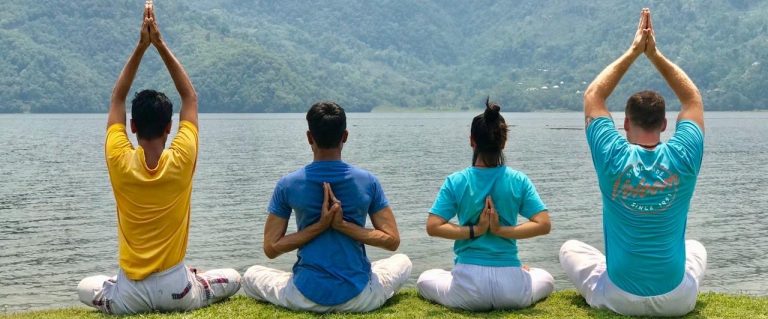
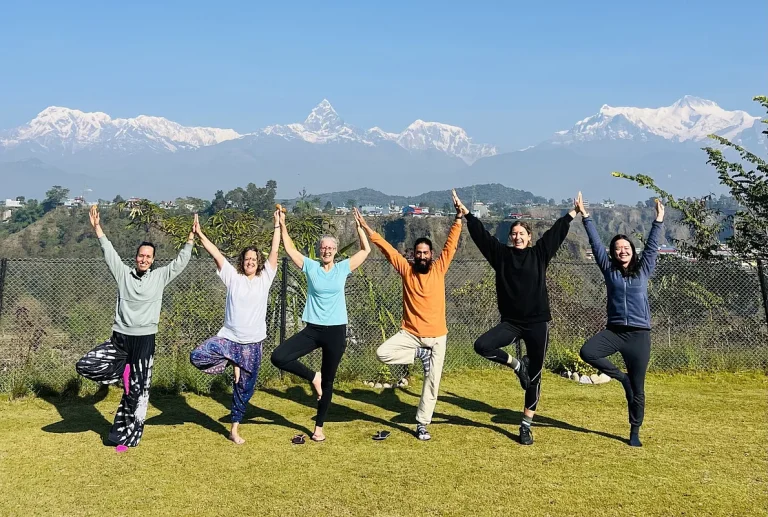
notice architecture, agriculture and local rhythms. Pokhara provides the final stage, where Phewa Lake, nearby viewpoints and the Annapurna landscape support nature-based meditation, restorative practice and personal integration.
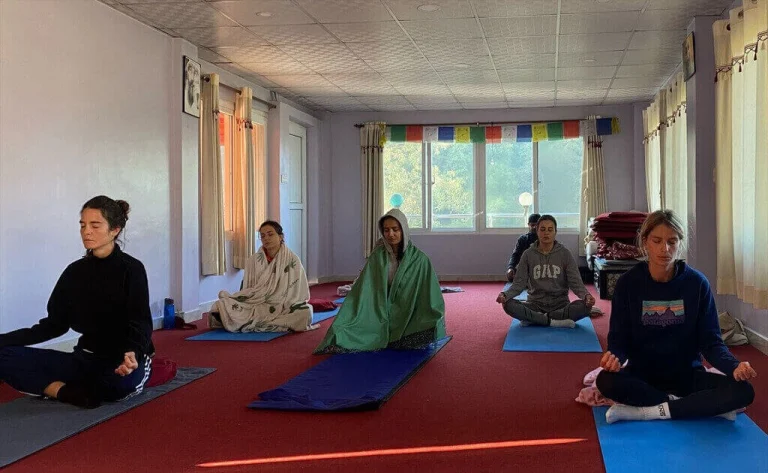
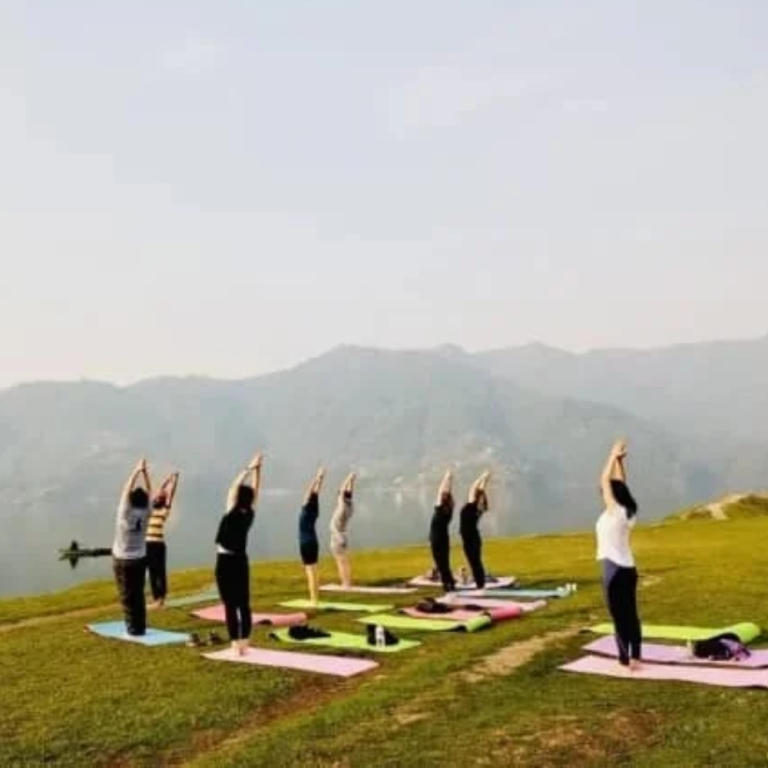
Daily yoga is progressive but non-intensive, with active sessions balanced by rest, cultural exploration and travel. This makes the tour appropriate for beginners and returning practitioners who are comfortable with easy walking and several early mornings. It is not a religious initiation,
therapy program or teaching qualification; its value comes from credible guiding, respectful participation, realistic pacing and the opportunity to develop a sustainable personal practice.
The experience
Designed for beginners, returning practitioners, solo travelers and couples who want a structured but non-intensive Nepal wellbeing experience. Guests should be comfortable with easy walking and early morning sessions, although every practice and excursion is voluntary. Independent participation is normally for ages 16 and above; younger guests require an approved private family program and guardian supervision.
The character of the journey
Authentic Culture and Local Experience Rather than rushing through monuments, this tour connects architecture, craftsmanship, worship and daily life through licensed local interpretation and time in Bandipur.
Nature, Practice and Responsible Travel The route gradually shifts from active cultural touring to lakeside integration. Practice, rest and travel days are deliberately balanced to prevent itinerary fatigue.
Accommodation and meals
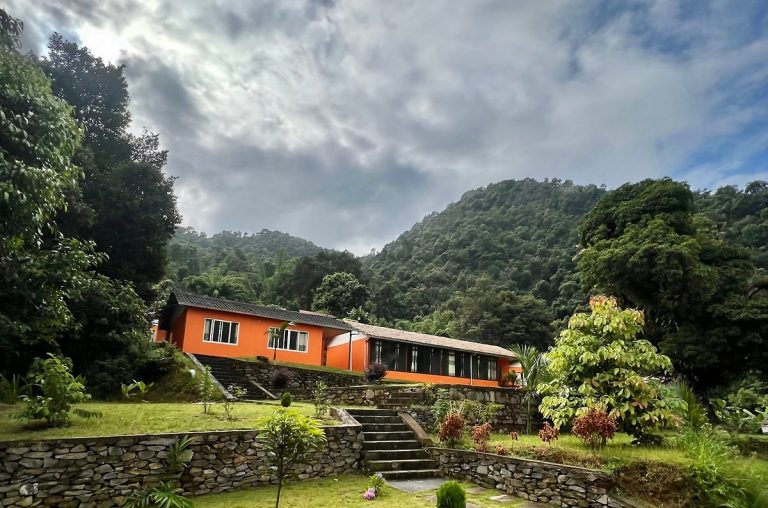
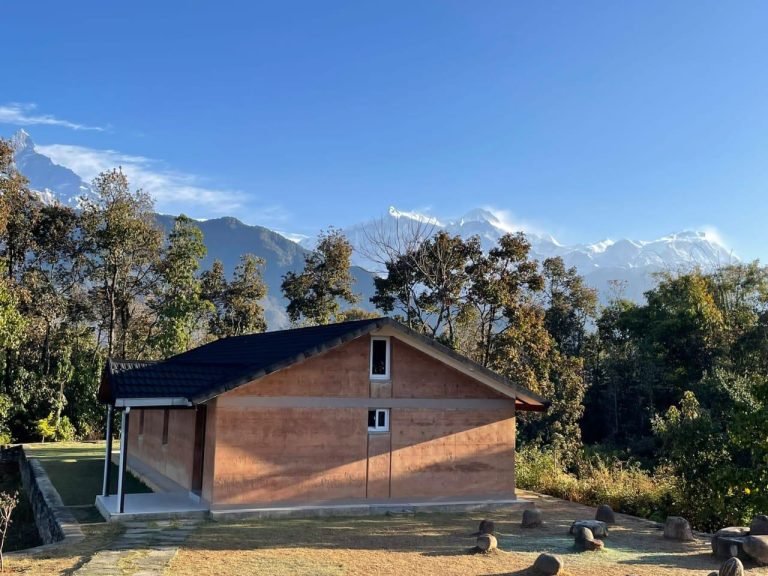
Accommodation & Food combines inspected Kathmandu and Pokhara hotels with a suitable Bandipur heritage-style property. Rooms use private bathrooms where confirmed; exact room category, stairs, accessibility and views must be disclosed in the proposal.
Responsible participation
Carry a refillable bottle, reduce single-use plastic, dress respectfully at sacred sites, ask before photographing people or ceremonies, follow local guidance and avoid interrupting worship. Cultural activities are educational experiences, not staged spiritual guarantees.
Preparation and safety
Easy to moderate, mainly because of travel days, stairs and several walking visits. Participants should manage 2–4 hours of gentle exploration with breaks.
Planning your visit
October–November and March–April are preferred. December–February is cooler and often clear. May–September is greener but wetter, with cloud and transport delays possible.