Choosing the right season can make a significant difference to your trekking experience in Nepal. The country experiences distinct seasons, and each offers different conditions, scenery, and opportunities for mountain adventures.
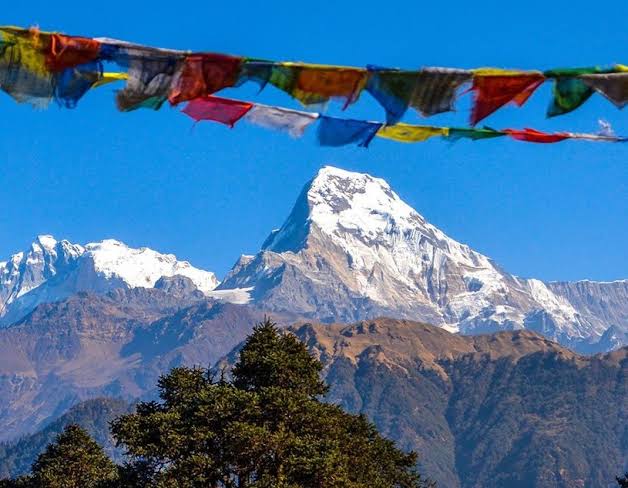
Autumn, particularly from September to November, is one of the most popular trekking seasons. The monsoon generally ends by September, bringing clearer skies, fresh landscapes, and excellent mountain visibility. October and November are especially attractive for many popular trekking routes because of their stable weather and comfortable daytime conditions.
Spring, from March to May, is another excellent season for trekking. The weather gradually becomes warmer, mountain views are generally good, and Nepal’s hills and forests come alive with colorful rhododendron blossoms. Spring is particularly beautiful for trekkers who enjoy combining Himalayan scenery with Nepal’s natural beauty.
Winter can also be suitable for selected trekking routes. Lower-altitude destinations may remain accessible, while higher trails can become very cold and challenging because of snow and freezing temperatures. Trekkers choosing winter routes should prepare carefully for cold conditions.
The summer monsoon season brings frequent rainfall to many parts of Nepal. However, some destinations located in rain-shadow areas, such as Upper Mustang and parts of the Manaslu region, can still offer excellent trekking opportunities.
There is no single best season for every trek. The ideal time depends on the destination, altitude, weather conditions, and the type of experience you are seeking.
Barunche Treks & Expedition can help you choose an itinerary based on your preferred travel dates, trekking experience, and destination. With the right preparation and planning, Nepal can provide an incredible adventure in almost every season.
Comments